
Low Taper Fade Haircut Guide for Sharp Professional Style
How to walk into any barbershop with confidence and get the exact haircut you want, even if you’ve struggled with miscommunication or disappointing results in the past.
The low taper fade has dominated men’s grooming since 2020, with Google searches increasing by 240% according to trend data. This isn’t just another haircut trend. It’s become the standard for modern men who want to look polished without spending hours on styling.
Whether you have curly hair, straight hair, or something in between, this guide shows you everything from asking your barber for the perfect cut to maintaining it between visits.
What Is a Low Taper Fade: Understanding the Basics
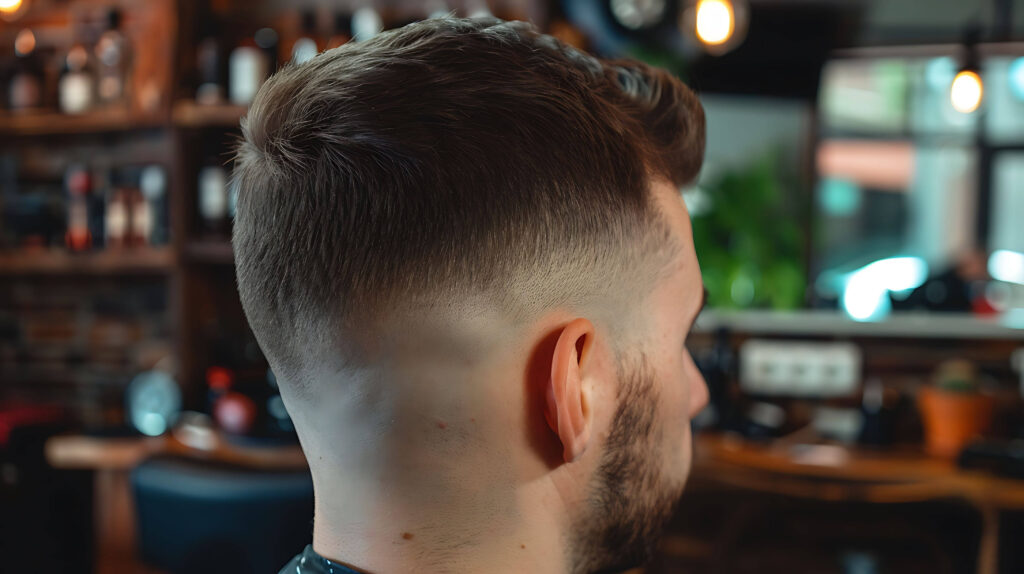
A low taper fade is a haircut where your hair gradually gets shorter on the sides and back, starting just above your ears. The fade blends smoothly from longer hair on top down to very short hair at the neckline.
The word “low” tells you where the fade begins. Instead of starting high up near your temples, a low taper starts lower on your head. This creates a subtle, natural look that works well in professional settings.
Your barber uses clippers with different guard sizes to create this smooth transition. They blend each section carefully so you don’t see harsh lines between lengths.
The technique involves using guards ranging from 0.5 to 4, gradually increasing the length as the barber moves up your head. This creates a seamless gradient from short to long.
The Fascinating History of Low Taper Fade: From Military Regulation to Cultural Icon
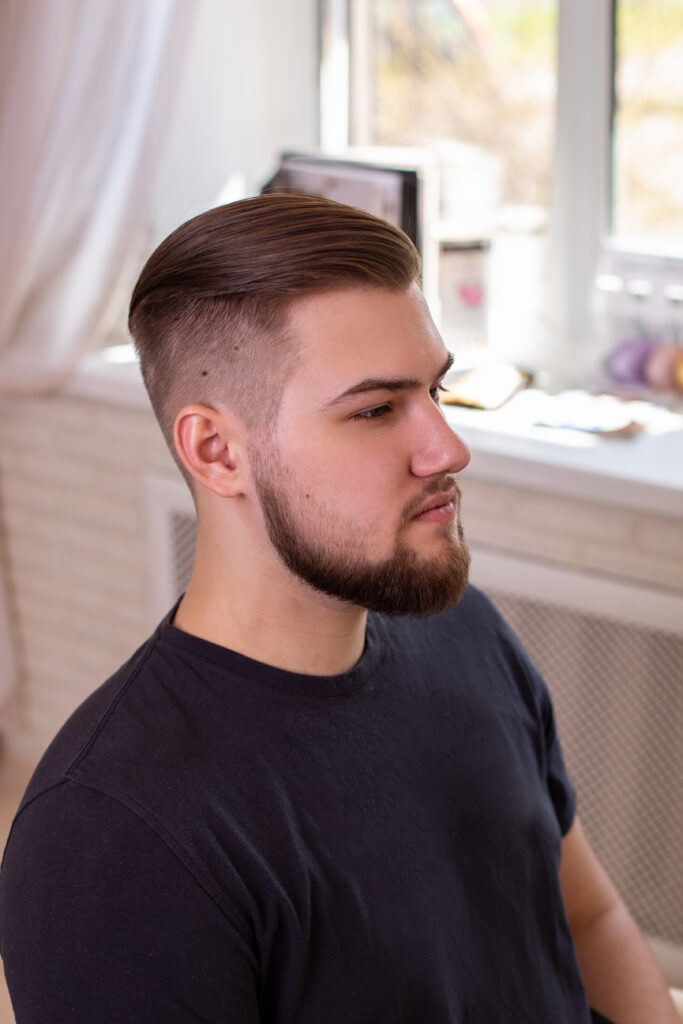
The low taper fade originated in the 1940s as U.S. Army Regulation 600-20, which specified hair should be tapered from zero length at the hairline to the required length at the top. This created a neat, uniform appearance for soldiers.
According to the National Barber Museum, World War II barbers used manual clippers with only 3 to 5 guard sizes to create these early fades. The style spread through military bases worldwide before entering civilian life.
In the 1950s through 1970s, Black barbers transformed the military taper into an art form. They introduced more dramatic contrast between lengths, creative temple designs, and personalized variations based on hair texture. The Black barbershop became a cultural hub for developing new fade techniques.
By the 1980s and 1990s, the fade exploded in hip-hop culture. Artists like Big Daddy Kane, Eric B & Rakim, and Will Smith popularized the high-top fade. The style became a statement of identity and self-expression.
Today, 68% of men request some form of taper fade during barber visits, according to professional barber associations. The low taper remains the most versatile and widely requested variation.
Low Taper Fade vs Mid Taper Fade vs High Taper Fade: Key Differences Explained.
The main difference between these three styles is where the fade starts on your head.
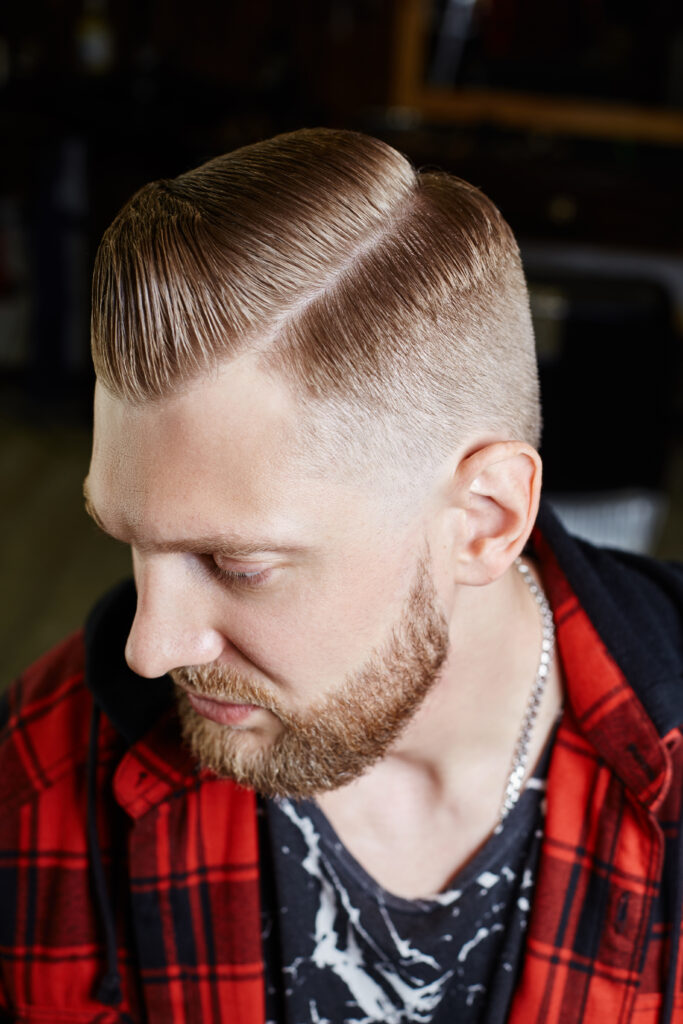
A mid taper fade begins around the middle of your head, roughly at your temple area. This gives you more contrast than a low fade but stays more conservative than a high fade.
A high taper fade starts near the top of your head. This creates the most dramatic contrast and shows more skin on the sides.
Most guys choose a low taper for their first fade because it looks professional and grows out more evenly. The low placement also flatters nearly all face shapes by creating balanced proportions.
Here’s how to identify each type:
Low taper fade: Starts just above the ears. Creates subtle contrast. Best for professional environments.
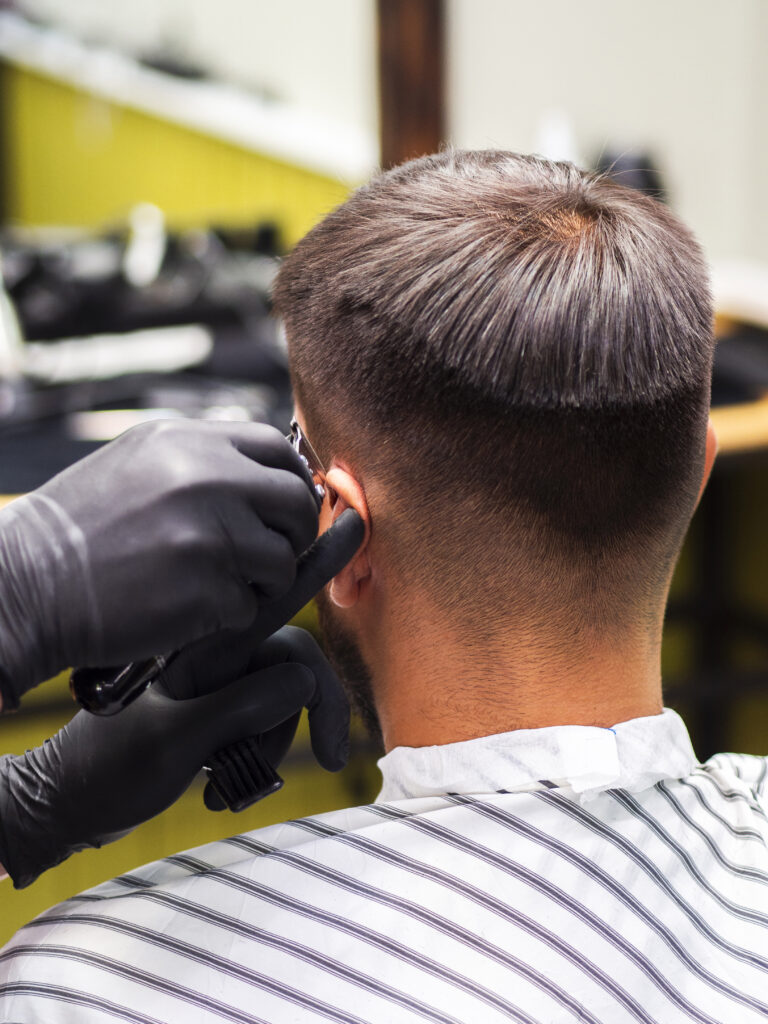
Mid taper fade: Starts at temple level. Offers balanced contrast. Works for both formal and casual settings.
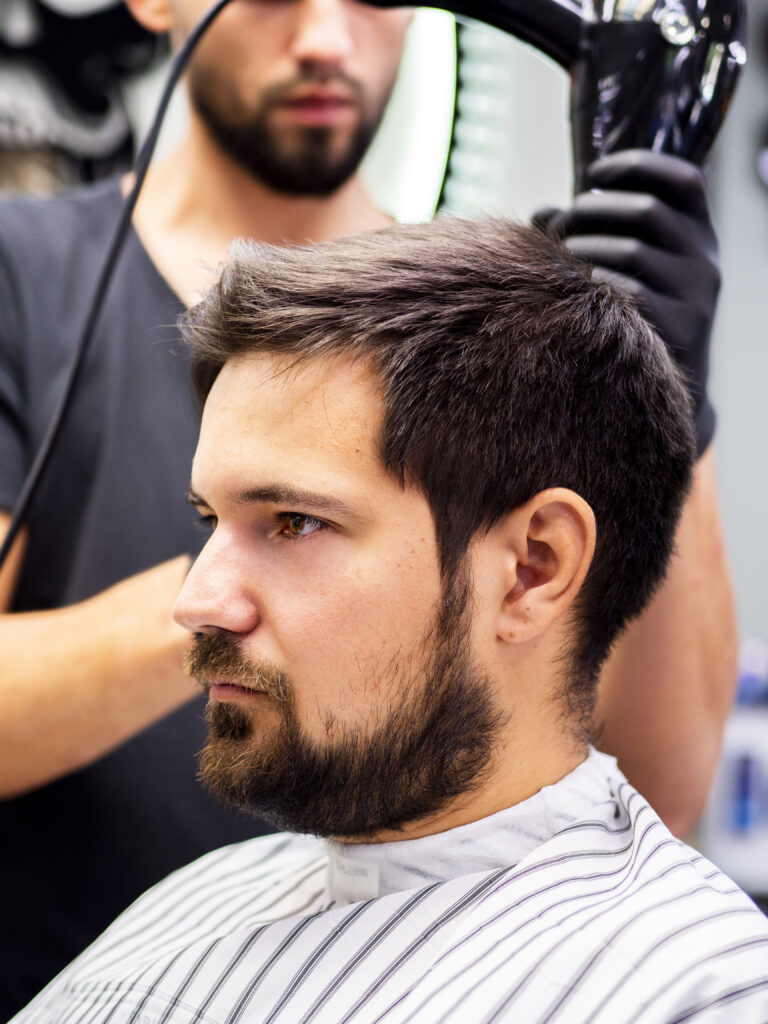
High taper fade: Starts near the crown. Creates dramatic contrast. Best for bold, modern looks.
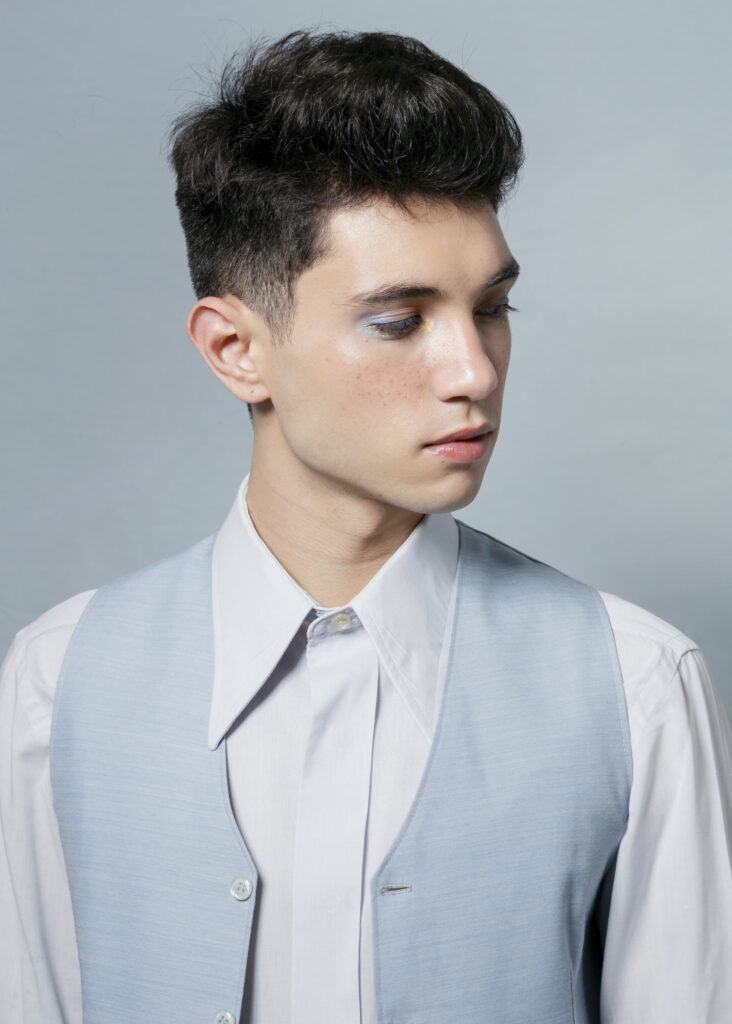
Low Taper Fade vs Skin Fade: What Makes Them Different
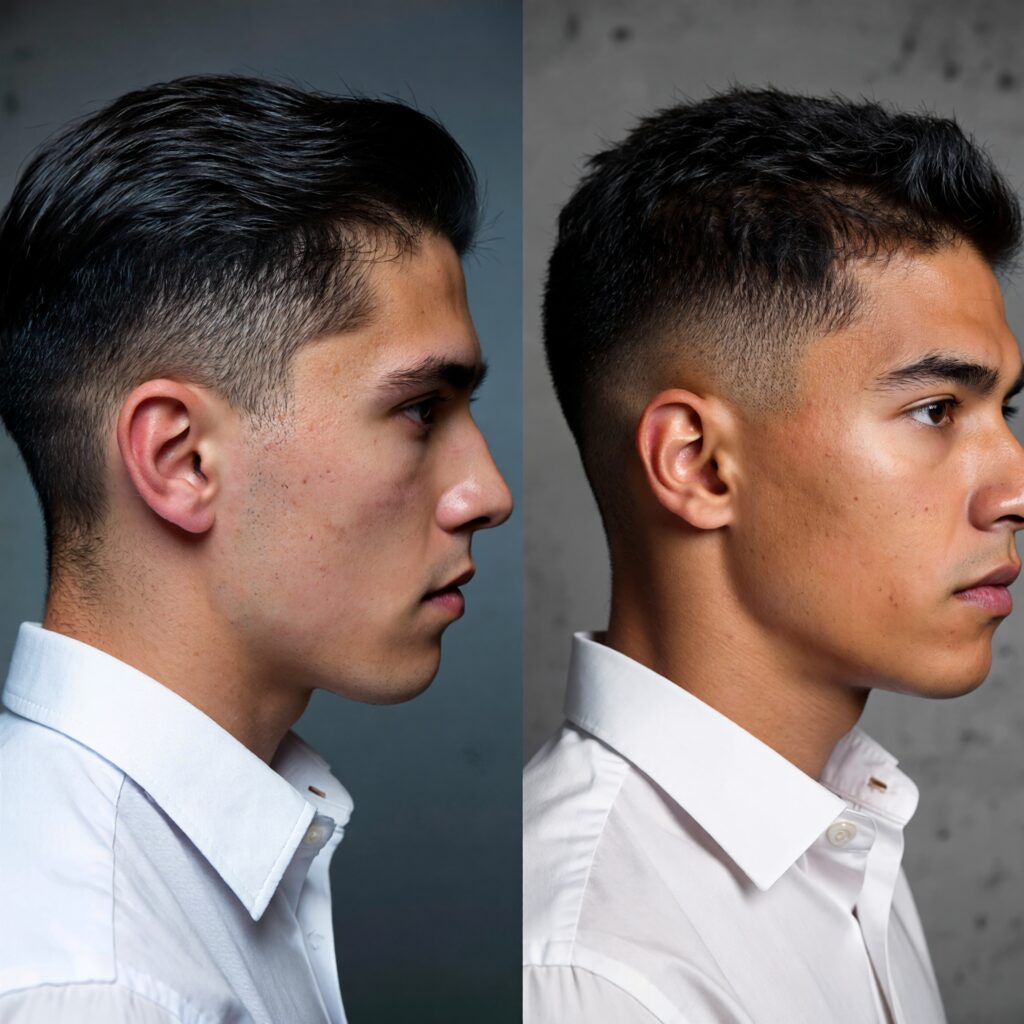
A low taper fade leaves some hair at the bottom of the fade, usually trimmed to a short length with clippers. You’ll still see hair texture even at the shortest point.
A skin fade (also called a bald fade) takes the hair all the way down to the skin. Your barber uses a razor to create a completely smooth finish at the bottom of the fade.
The skin fade creates more contrast and looks bolder. The low taper fade gives you a softer, more natural appearance that many professionals prefer for work environments.
Key differences at a glance:
Low taper fade: Leaves visible hair at the shortest point. Uses clipper guards only. Creates softer transitions. Grows out more gracefully.
Skin fade: Fades to bare skin. Requires razor finishing. Creates sharp contrast. Needs more frequent maintenance.
How to Ask Your Barber for a Low Taper Fade Even If You’ve Had Bad Haircuts Before.
Walking into the barbershop and clearly communicating what you want makes all the difference between a great cut and a disappointing one.
The Exact Words to Say to Your Barber for a Low Taper Fade
Start by saying “I want a low taper fade.” This tells your barber the basic style.
Then add specific details:
Specify where you want the fade to start. Point to the spot just above your ears. Say something like “Start the fade right here.”
Tell them how short you want the shortest part of the fade. Use clipper guard numbers. “Take it down to a 1 at the bottom” or “Fade it to a 0.5.”
Explain what you want on top. “Leave about 3 inches on top” or “Keep enough length to comb over.”
Describe the overall blend. “I want a gradual blend” or “Make the transition really smooth.”
Mention any designs or line-ups. “Can you add a hard part on the left side?” or “Keep the hairline natural.”
The Reference Photo Strategy That Actually Works for Low Taper Fades
Bring reference photos from multiple angles showing the front, sides, and back. One front-facing picture won’t capture the fade you actually want.
Show your barber at least 3 to 4 images of the same style. This helps them understand the overall vision rather than just one angle.
Save images to your phone before your appointment. Don’t try to search for them while sitting in the barber chair. This wastes time and can frustrate your barber.
Pro tip: Save photos in a dedicated album on your phone labeled “Haircut Ideas” so you can quickly access them during your appointment.
Important Questions to Ask Before Your Low Taper Fade Haircut Begins
“What guard sizes will you use for the fade?” A number 1 guard at one shop might be a number 2 at another. Understanding their system helps avoid surprises.
“How often should I come back for touch-ups?” Good barbers will give you an honest answer based on your hair growth rate.
“What products do you recommend for styling this?” Get product suggestions specific to your hair type and the length you’re keeping on top.
“Can you show me the fade line before you start?” Some barbers will mark where the fade will begin so you can approve it first.
“Do you specialize in fades for my hair type?” This is especially important if you have curly, coily, or textured hair that requires specific techniques.
Popular Low Taper Fade Variations for Every Hair Type and Style
Low Taper Fade Curly Hair: How to Enhance Your Natural Texture
If you have natural curls, a low taper fade curly hair style lets you show off your texture on top while keeping the sides neat and manageable.
The fade removes bulk around your ears and neck. This makes your curls on top look fuller and more defined by comparison.
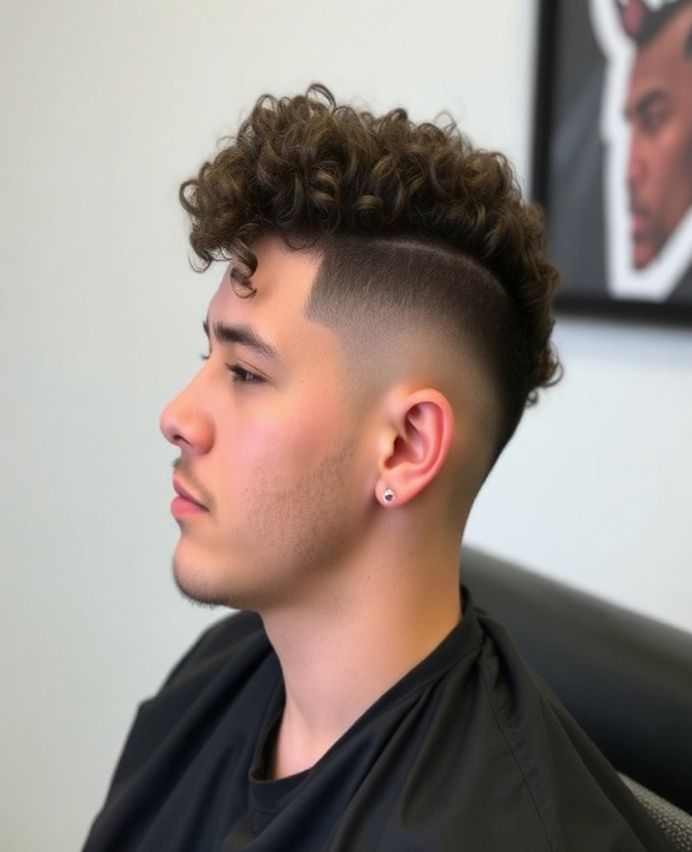
How to style low taper fade with curly hair:
Use a curl-defining cream on damp hair. Apply it section by section, scrunching as you go. Let your hair air dry or use a diffuser attachment on your blow dryer set to low heat. The curls will have natural volume while the faded sides keep everything looking intentional.
This style works especially well for guys with thick, coily hair. The contrast between the textured top and clean sides creates a balanced shape that flatters round and square face shapes.
According to professional barbers, men with curly hair should get touch-ups every 3 to 4 weeks to maintain the shape as curls can hide fade growth better than straight hair.
Best products for low taper fade curly hair:
- Curl-defining cream
- Leave-in conditioner
- Curl gel for hold
- Light oil for shine without weight
Low Taper Fade Straight Hair: Clean Lines and Precision Styling
A low taper fade straight haircut gives you clean lines and a polished appearance. Straight hair shows the precision of the fade more clearly than curly hair.
You can style the top in several ways. Comb it forward for a textured crop look. Brush it back for a classic gentleman’s style. Or add some texture with styling products for a more casual finish.
Because straight hair lies flat, pay attention to the length on top. Too short and you lose styling options. Most guys with straight hair keep at least 2 to 3 inches on top for versatility.
Celebrities like Ryan Gosling and Chris Evans have popularized the low taper with straight hair, making it a go-to for men seeking a Hollywood-ready appearance.
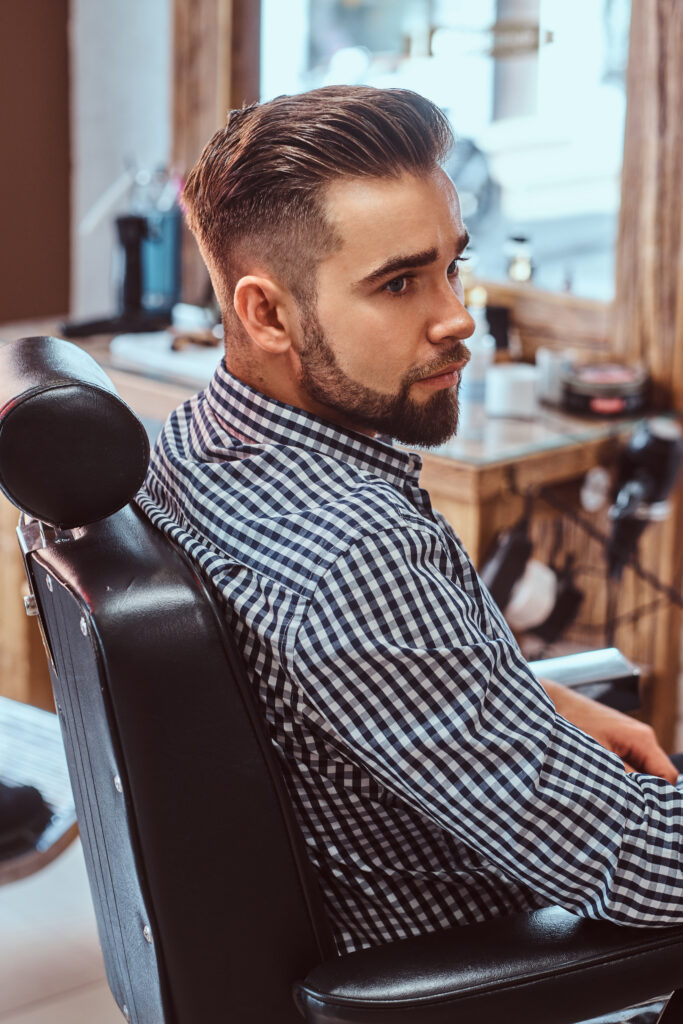
Styling options for straight hair with low taper fade:
- Slicked back for formal occasions
- Side-swept for classic elegance
- Textured forward for modern casual look
- Pompadour for vintage-inspired style
Low Taper Fade with Design: Express Your Personality Through Hair Art
Adding a design to your low taper fade lets you personalize your haircut beyond the standard cut. Your barber can create patterns, lines, or shapes in the faded area.
Simple designs include straight lines, zigzags, or geometric patterns. More complex designs might include symbols, numbers, or intricate artwork that reflects your interests.
The low taper fade with design shows up best on darker hair where the contrast between skin and hair is strong. Designs usually need touch-ups every 2 to 3 weeks to stay sharp and defined.
Popular design placements for low taper fade:
- Temple area for maximum visibility
- Behind the ear for subtle personality
- Back of the head for a surprise element
- Multiple locations for complex artistic expression
Master barbers report that hair designs originated in Black barbershops in the 1980s as part of the “shape-up” culture, where precision detailing became an art form.