On this page
What is a Low Taper Fade?Low Taper Fade VariationsHow to Ask for a Low Taper FadeHow Often to Get a Low Taper FadeThe low taper fade is the most searched men’s haircut in 2025. It keeps the fade below the temple, giving a clean transition from short sides to a fuller top. This guide covers every variation and how to get the best result.
What is a Low Taper Fade?
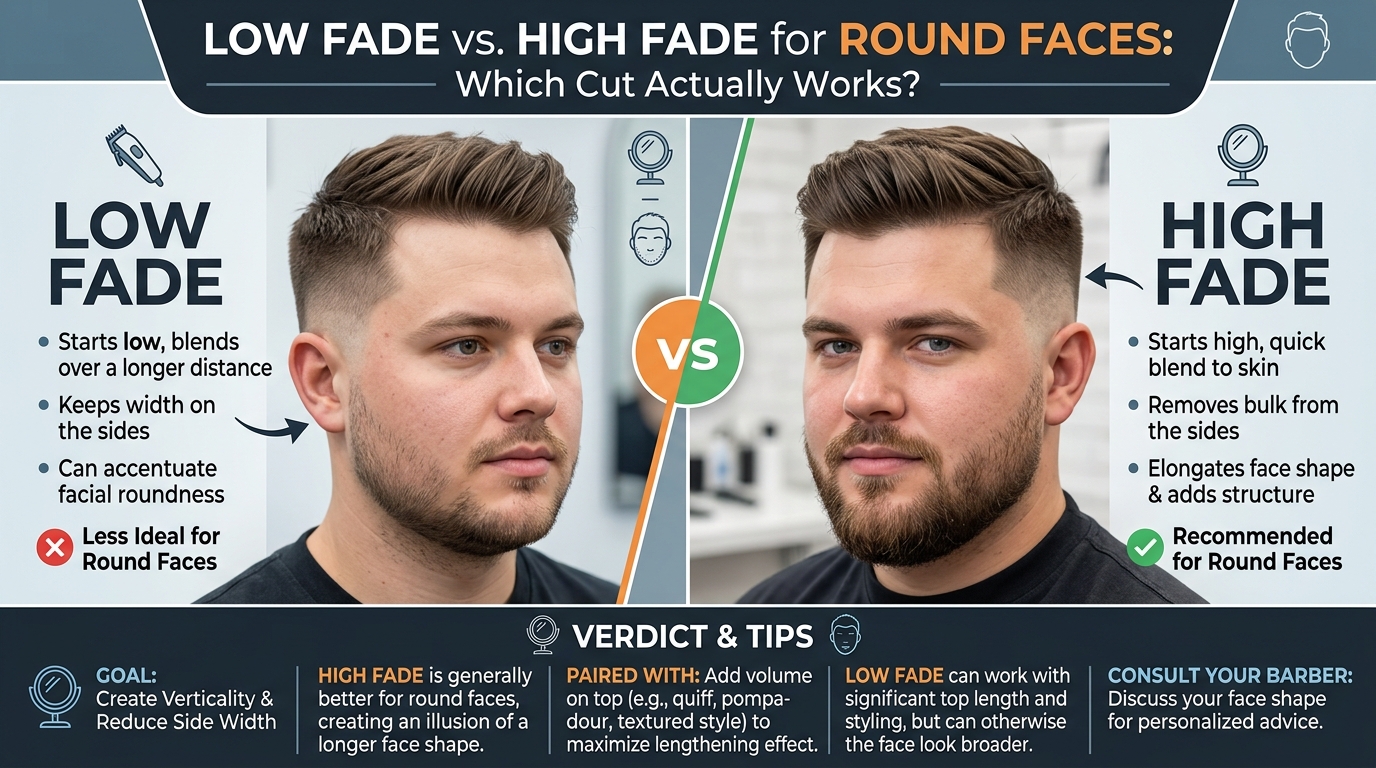
A low taper fade starts very close to the neckline and blends upward. The fade stays low, usually below the temples. The sides stay relatively full compared to a mid or high fade, making it one of the most versatile and widely requested styles in barbershops today.
Low Taper Fade Variations
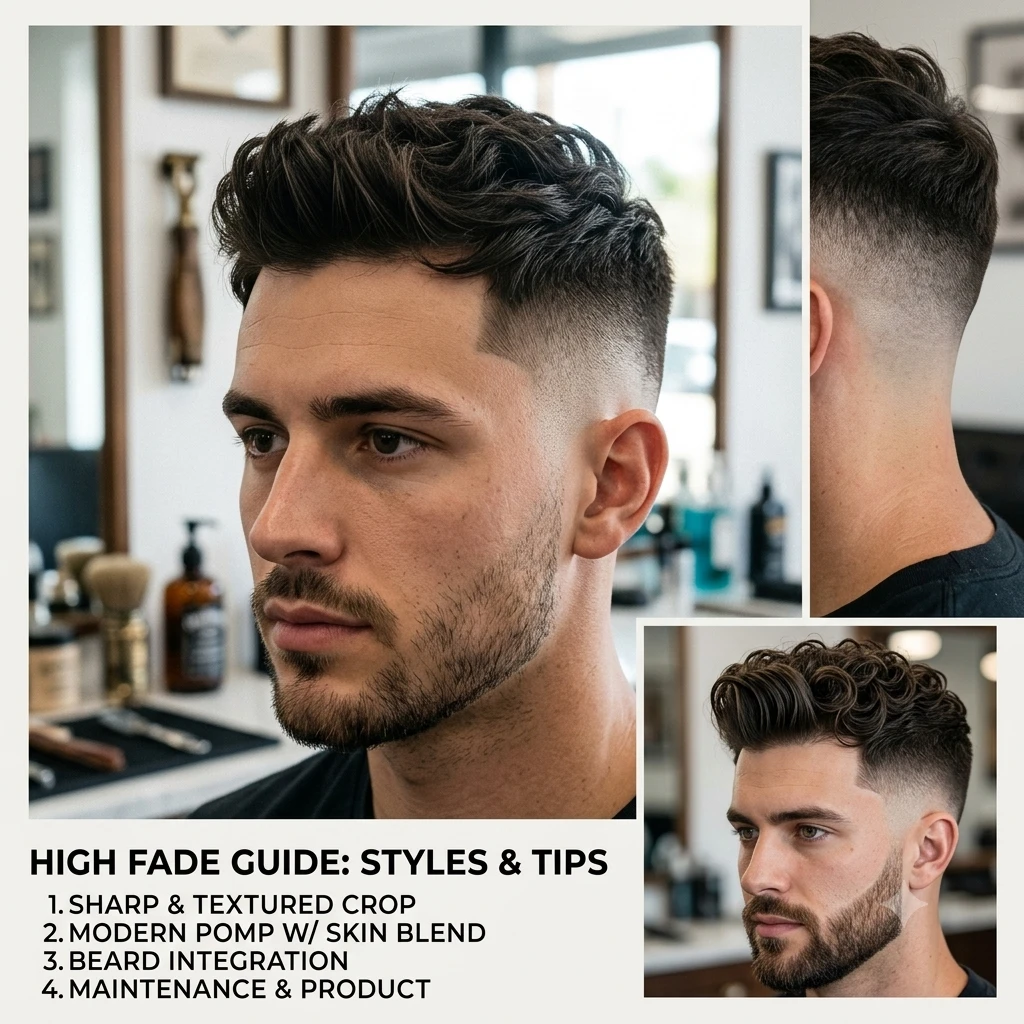
- Low taper fade with beard: the fade transitions cleanly into beard growth for a connected look
- Low taper fade with design: a line or pattern is carved into the faded section
- Low drop taper fade: the fade dips lower behind the ear for a curved effect
- Low taper fade curly hair: works beautifully on curly hair, letting texture show on top
- Low taper fade straight hair: gives a sharp contrast between the clean sides and straight top
- Low taper fade black men: extremely popular, often paired with box fades or line ups
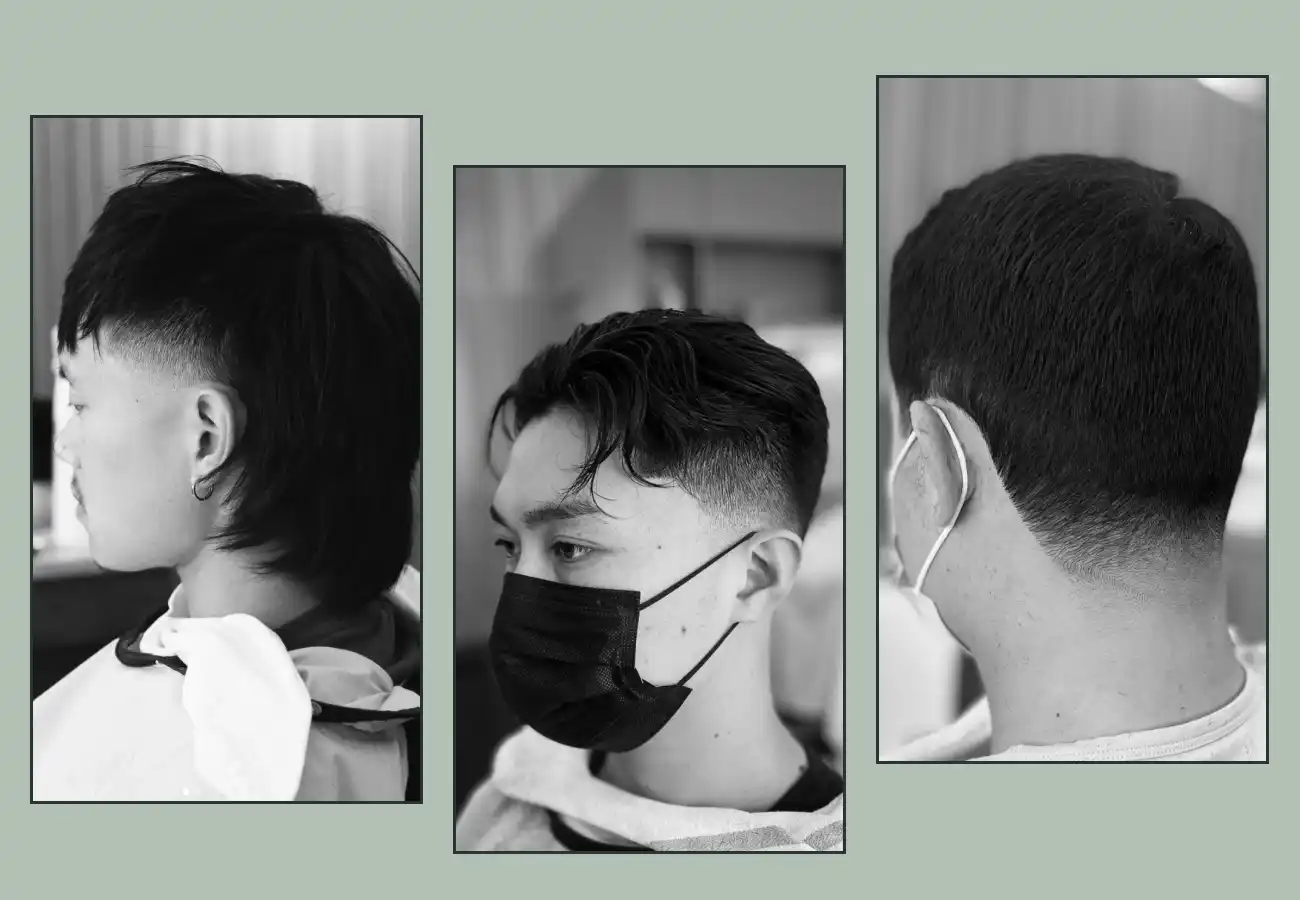
- Low taper fade mullet: modern mullet with faded sides and longer back
- Low taper fade long hair: keeps the sides tidy while the top grows out
How to Ask for a Low Taper Fade
Tell your barber you want the fade to start below the temples. Show a reference photo if you have one. Specify whether you want the fade to end above the ear or below. Mention if you want a design, a hard part or a blended look at the neckline. A good barber will confirm the fade line before they start.
How Often to Get a Low Taper Fade
Most people get a low taper fade touched up every 2 to 3 weeks. The low position means the fade grows out a bit more gracefully than a high fade, but it still needs regular maintenance to stay sharp. A quick lineup and fade touch-up keeps it looking fresh between full haircuts.